

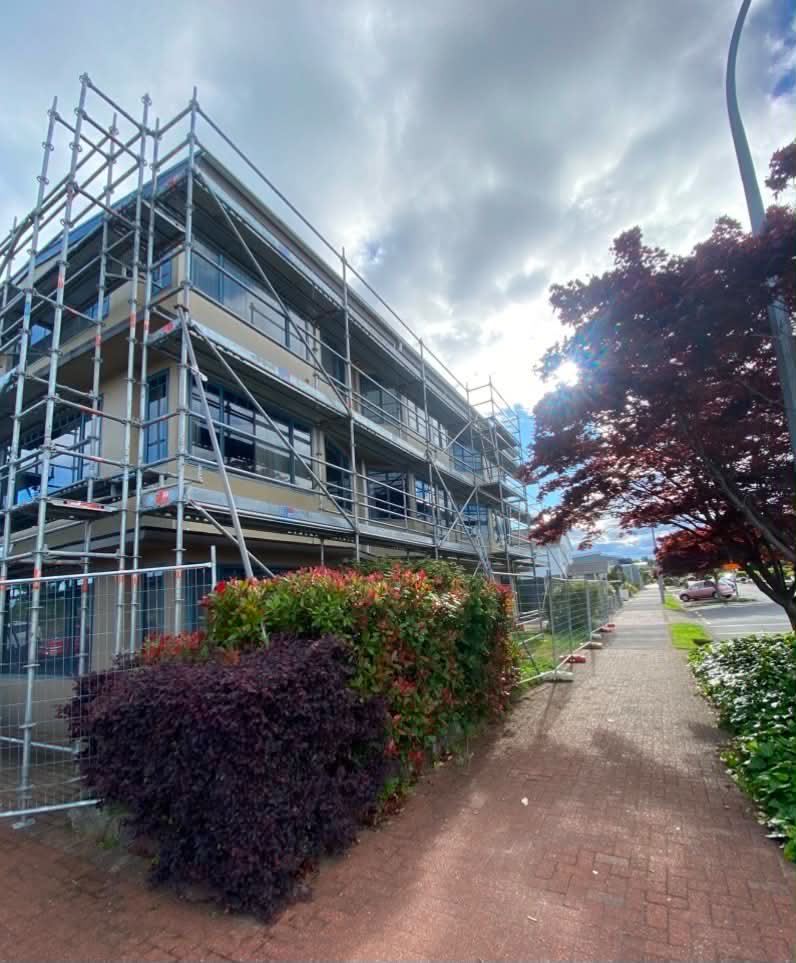
Scaffolding built around the job in front of it
Different jobs, one standard. Whether it is a re-roof on a family home, a staged commercial programme or a stair tower in a rail yard, you get access that is safe to use, set out for the trade using it, and taken away cleanly when the job is done.
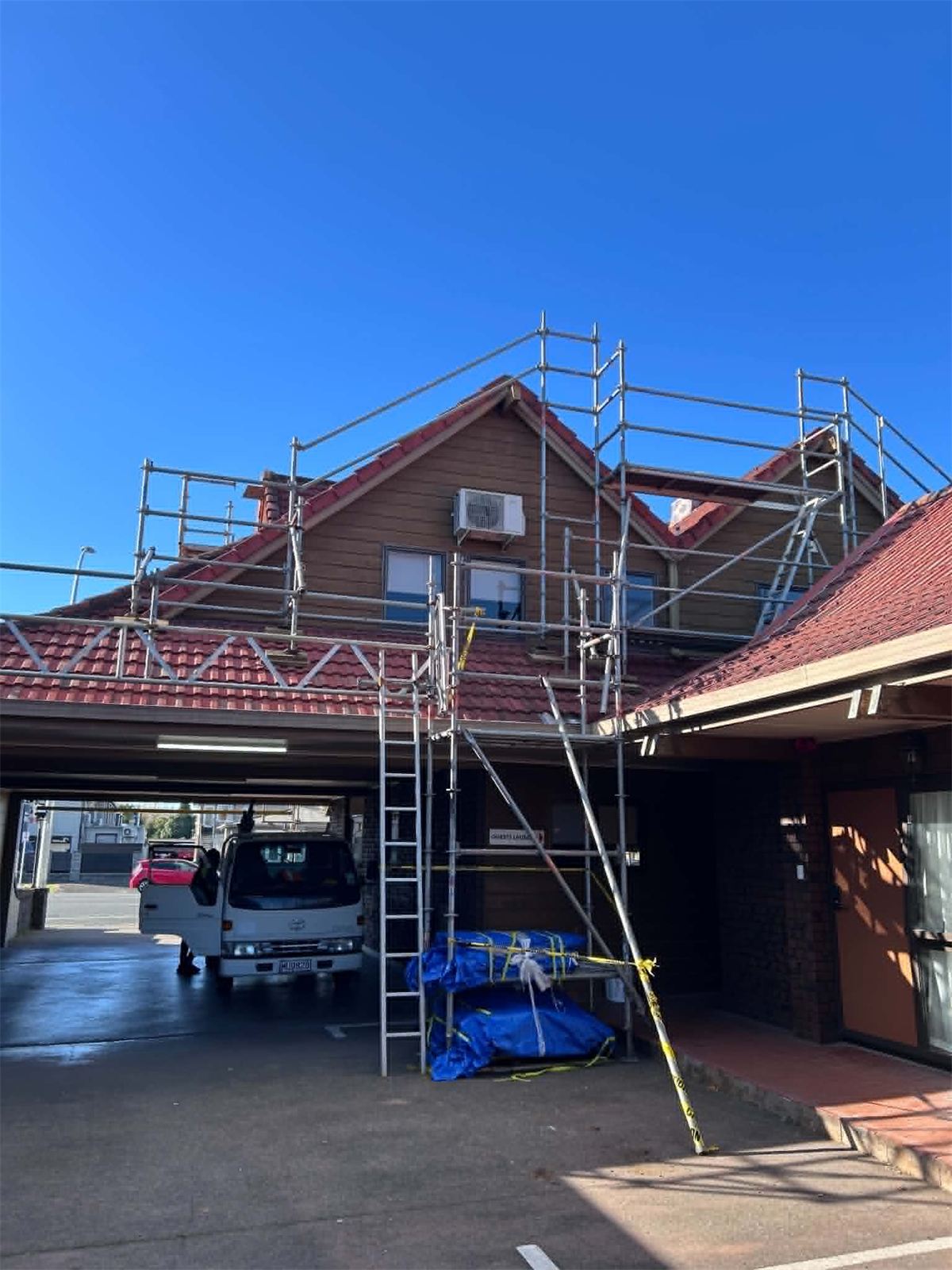
Homes, renovations and re-roofs
Most residential jobs live or die on two things: whether the scaffold is in the right place, and whether it turns up on the day you booked it. We plan around both.
-
New builds and additions
Access that lifts with the build so your framers, roofers and cladders are never waiting on us.
-
Re-roofs and re-clads
Edge protection carried right around the roofline so the crew can work to the gutter without fighting harnesses.
-
Painting and plastering access
Full decks at working height, set close enough to the wall to actually be useful.
-
Awkward sites
Tight boundaries, sloping ground and difficult driveways. We work out the setup before the truck leaves.
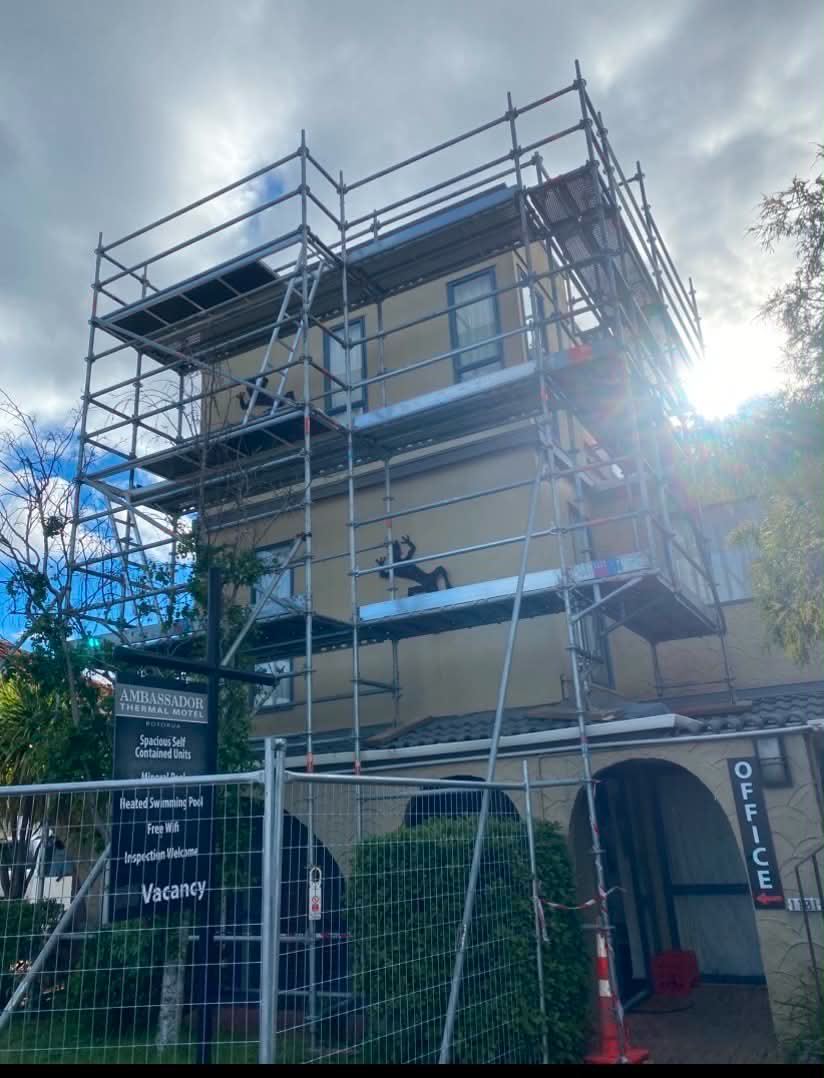
Buildings that still have people in them
Commercial work is as much about the people around the job as the job itself. Guests, staff, customers and the public all have to get past safely while the work carries on.
-
Multi-storey facade access
Full-height staging across one elevation or right around the building, tied properly and checked before handover.
-
Motels and accommodation
Staged so rooms and entrances stay usable, and the work can move around bookings rather than shut the place down.
-
Shop and office fit-outs
Interior and exterior access planned around trading hours and public walkways.
-
Longer-term hire
Staged works that run for weeks or months, with alterations as each stage finishes.
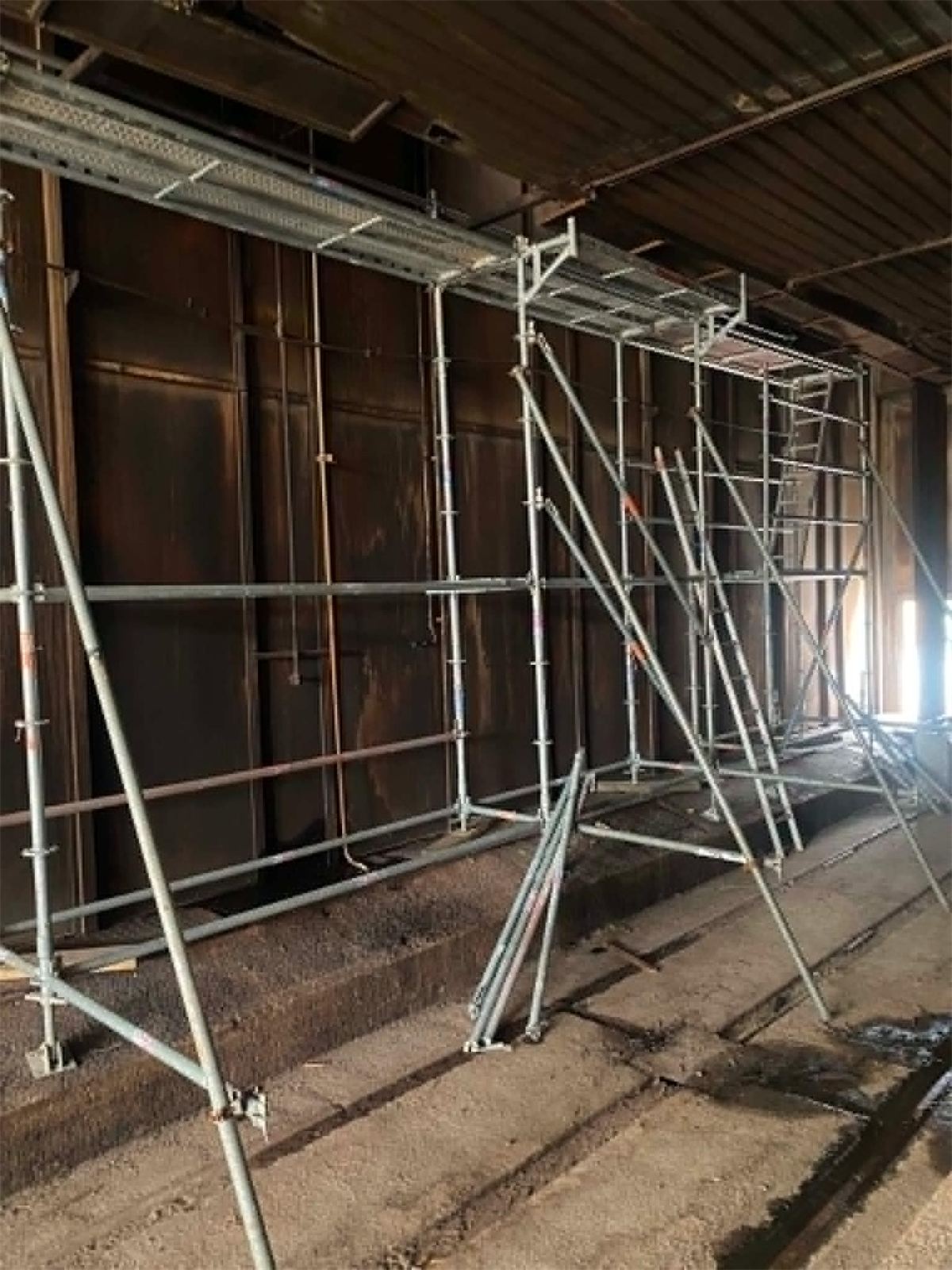
Working to somebody else's programme
On a construction site the scaffold is never finished on day one. It goes up in stages, gets altered as trades move through, and has to keep pace with the build without holding it up.
-
Staged lifts
We lift as the structure goes up, booked in against your programme rather than squeezed in when we can.
-
Interior access and propping
Access towers and support inside the building for ceiling, structural and services work.
-
Confined and awkward spaces
Stairwells, voids, low headroom and everything else that does not fit a standard bay.
-
Coordination with other trades
One point of contact who talks to your site manager directly, so alterations do not turn into a week of phone tag.
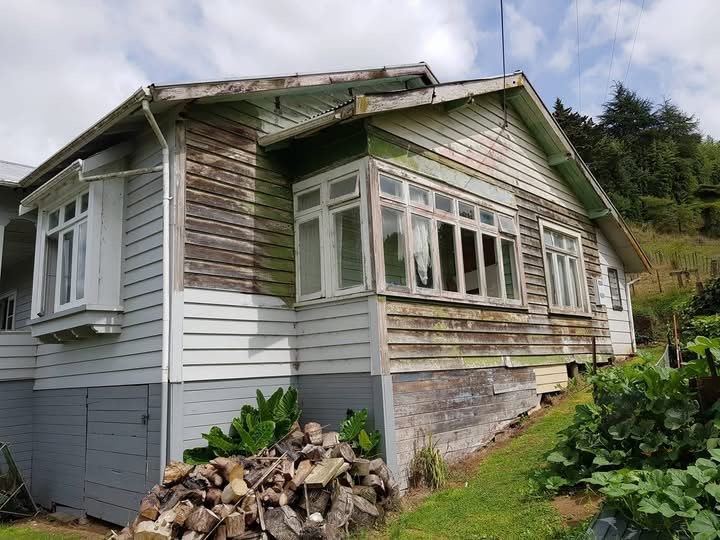 Before
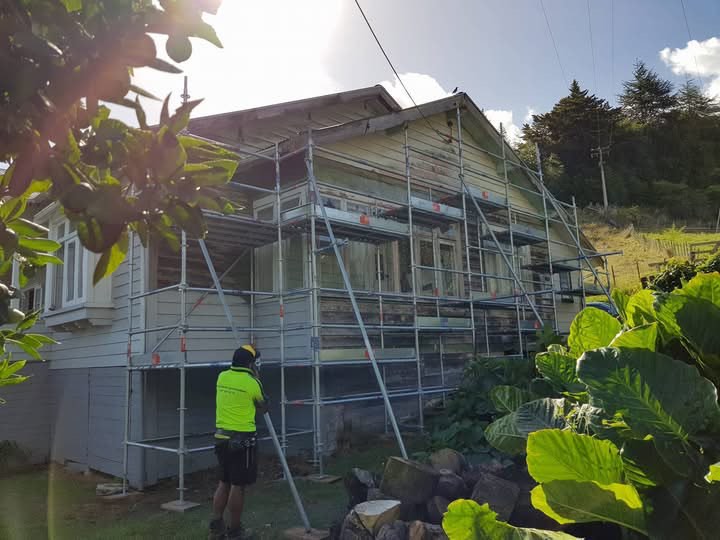 During
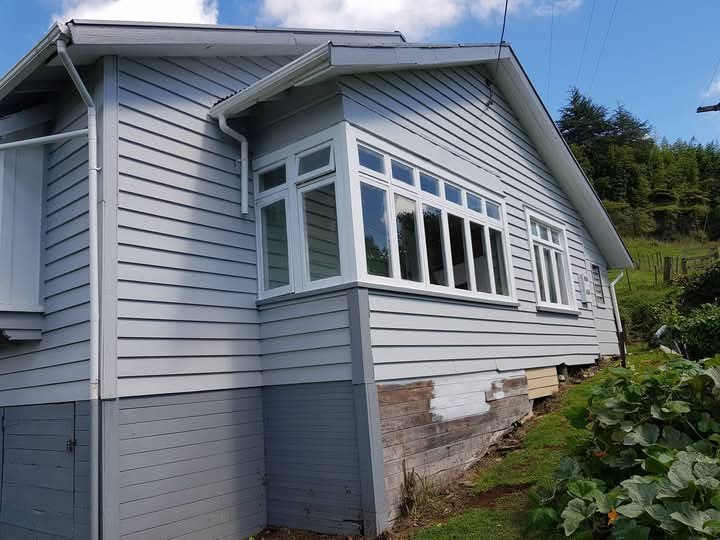 After
After
Scaffold for painters and plasterers
Painters spend the day at arm's length from the wall, so the access has to put them there. Flat decks at the right height along the whole elevation, up before they start and gone once the last coat is dry.
-
Decks at working height
Set close enough to the wall to actually be useful, so the finish at the top of the gable matches the finish at eye level.
-
Full length of the elevation
The whole wall reachable in one go, rather than a tower that has to be shifted every couple of metres.
-
Room to work and stack gear
Space on the deck for pots, guns and drop sheets without everything being carried up and down each time.
-
Booked around the painter
Up before they start and struck once the last coat is dry, so they are not paying for access they cannot use yet.
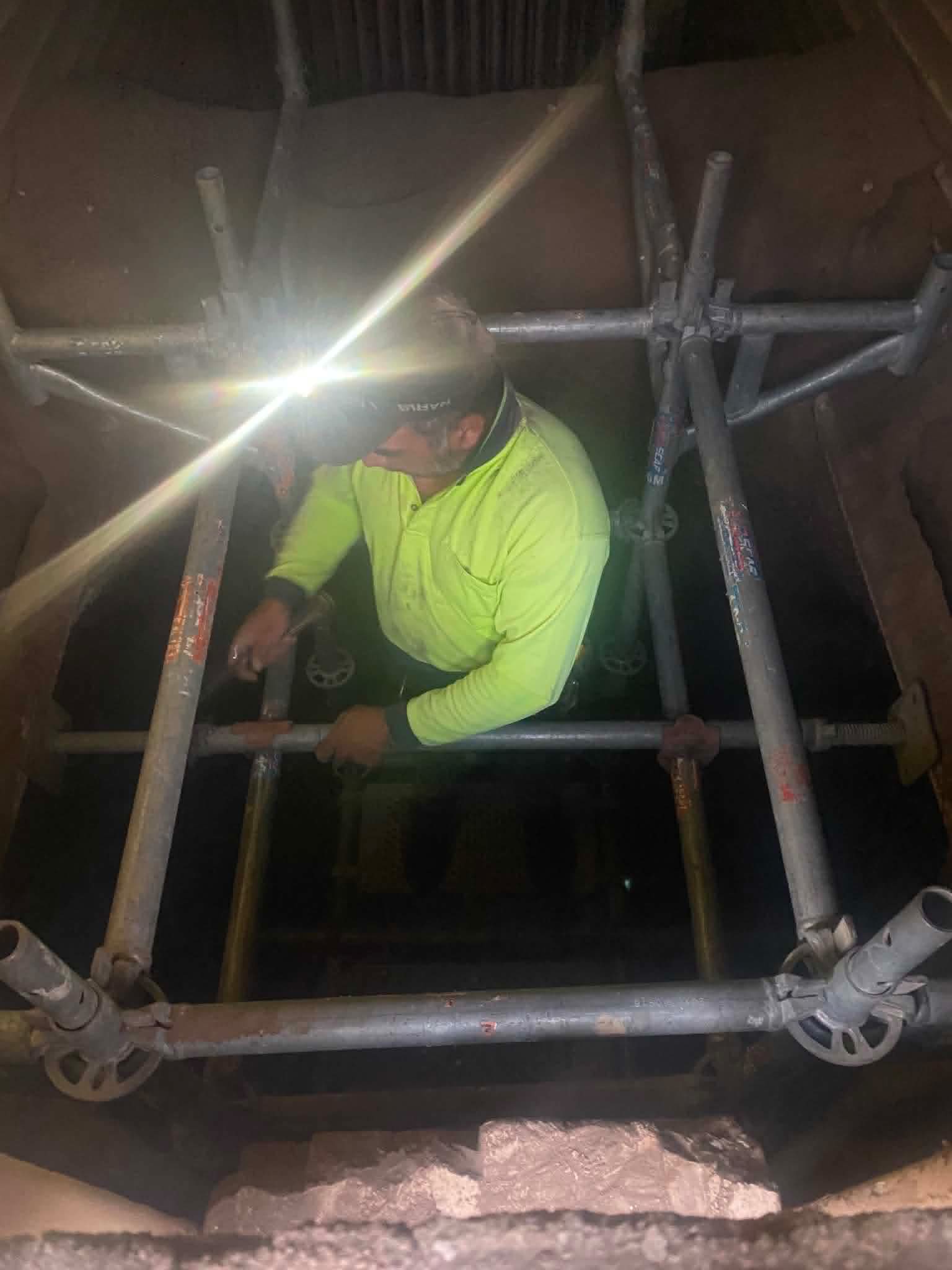
The jobs that will not fit a standard bay
Shafts, voids, pits and chambers. Work like this is slower to set out and there is no room to be casual about it, so it gets planned before anyone climbs in.
-
Shafts, pits and chambers
Access built down into the space rather than up the outside of it, with the setup worked out before the first tube goes in.
-
Restricted headroom
Low ceilings, tight footprints and openings a standard frame will not pass through.
-
Built for the trade going in
Decks and openings placed around where the work actually has to happen, not just where the scaffold is easiest to stand.
-
Planned before entry
Access, lighting and the way out are sorted at quote stage, and the job is run through HazardCo like everything else we do.
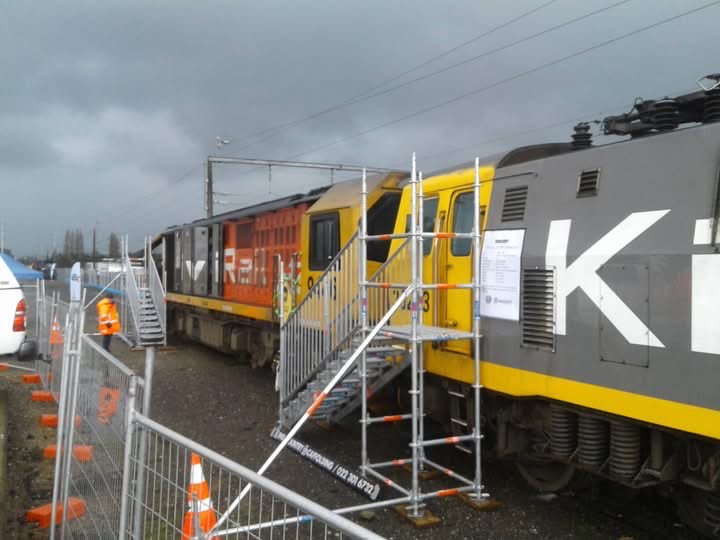
Stairs instead of a ladder
Where a crew is going up and down all day, or carrying tools and materials with them, a ladder stops being the sensible answer. A stair tower makes the trip routine.
-
Stair towers
Proper treads and double handrails, so people can carry something up without a spare hand for the ladder.
-
Plant and machinery access
Platforms and stairs built up to equipment so the crew can reach the work standing on a deck.
-
Site entries and public routes
Access into and around a site that anyone can use safely, fenced off from the work where it needs to be.
-
Standalone or built in
A tower on its own, or stairs tied into the main scaffold as part of a bigger setup.
The parts people forget to ask about
These are not extras we bolt on at the end. They are how the job gets done properly in the first place.
Edge protection
Guardrails and toe boards run properly around roof edges and open sides so the crew above can concentrate on the work rather than the drop.
Handover you can trust
The scaffold gets checked before anyone else steps on it, and you are told exactly what has been left, what it is rated for and what not to touch.
Alterations mid-job
Plans change on site. Need a lift, an extra deck or a section moved? Ring us and we will get back to sort it rather than telling you to work around it.
Things people ask before they book
What areas do you cover?
We service the King Country and Waikato regions. That takes in Te Kuiti, Taumarunui, Otorohanga, Piopio, Te Awamutu, Cambridge, Hamilton, Matamata, Morrinsville and the towns in between. If you are not sure whether your site is in range, ring us and we will tell you straight away.
Do you work weekends?
Yes. We are open seven days a week, 8am to 5pm. Build programmes do not stop on a Saturday, so we do not either. We do not run an after-hours service, so give us a ring inside those hours.
Do I get a price before the work starts?
Always. We look over the site, check the ground, the access and the hazards, then send a written quote with the scope spelled out. You know what is being erected and what it costs before anyone turns up with a truck.
How long can I keep the scaffold on site?
That depends on the job. A residential re-roof and a staged commercial programme are very different animals, so we sort the hire period with you at quote stage rather than surprising you later.
Can the scaffold be altered part way through?
Yes. Jobs change once they are open. If you need a lift, an extra deck or a section shifted, give us a call and we will book in a time to come back and sort it.
Do you take on small residential jobs?
We do. Single-storey re-roofs, painting access and small renovations are a regular part of the week alongside the bigger commercial work. No job is too small to ring about.
Get a price on your job
Tell us what you are building or fixing, roughly how high, and when you need access. We will take it from there.